














Jordan Smith

Taylor Johnson

Casey Williams

Riley Brown

Morgan Davis

Cameron Miller
Table of Contents
The Ultimate Guide to Camping Sleeping Bags — Sourcing the Best Lightweight Gear from China’s Leading OEM Factory
Introduction: Why a Good Camping Sleeping Bag Matters
A camping sleeping bag is more than just outdoor gear — it’s your comfort, warmth, and safety under the stars. Whether you’re backpacking in the mountains or car camping with your family, the right sleeping bag can make or break your adventure. For outdoor brands and importers, understanding the market and choosing the right manufacturing partner is equally important.
In this guide, we’ll explore everything you need to know — from how to choose the best ultralight sleeping bag, to understanding materials, production processes, market trends, and sourcing from China’s top OEM factory — PRONEO GROUP.
Why Your Choice of Camping Sleeping Bag Matters More Than You Think
A camping sleeping bag is your most intimate piece of gear in the great outdoors. It’s not just about comfort; it’s a critical piece of safety equipment. Hypothermia can set in even in mildly cool conditions if you’re inadequately insulated. Beyond safety, the right bag ensures you wake up refreshed and ready to explore, rather than fatigued and defeated. For those engaged in sleeping bag backpacking, where every ounce counts, this decision becomes even more crucial. The market is flooded with options, but understanding the core features and how they align with your needs is the key to unlocking restful nights under the stars.
Understanding User Pain Points: What Campers Really Struggle With
Before diving into specifications, it’s vital to understand the common frustrations campers face. Addressing these pain points directly will guide you toward a smarter purchase:
- Excessive Weight and Bulk: The number one complaint for backpackers. A bag that’s too heavy or bulky can make your pack unwieldy and sap your energy on long hikes.
- Insufficient Warmth: Nothing ruins a trip faster than a cold night. Many “summer” bags are inadequate for chilly mountain evenings, leaving users searching for a truly warm sleeping bag.
- Poor Performance When Damp: Down insulation, in particular, loses its loft and insulating properties when wet. A damp bag can be dangerously cold.
- Uncomfortable Fit and Shape: Rectangular bags offer room to move but are inefficient and drafty. Mummy bags are warm but can feel confining. Finding the right balance is tricky.
- Poor Durability: Thin fabrics, weak zippers, and poor stitching lead to a short lifespan, making your investment feel wasted.
- Difficulty Packing Down: A bag that claims to be lightweight but doesn’t compress into a manageable size is useless for sleeping bag backpacking.
What Exactly is a Camping Sleeping Bag?
At its core, a camping sleeping bag is an insulated body envelope designed to retain your body heat in an outdoor environment. Its effectiveness is determined by several key components:
- Shape: Mummy (tapered for warmth), Rectangular (roomy for comfort), and Semi-Rectangular (a compromise between the two).
- Insulation: The heart of the bag, either Down (natural) or Synthetic.
- Temperature Rating: A standardized indicator of the lowest temperature at which the bag will keep an average person comfortable.
- Weight and Packed Size: The critical metrics for any good lightweight sleeping bag.
- Shell and Lining Fabrics: These protect the insulation and determine durability, breathability, and water resistance.
Camping Sleeping Bags vs. Backpacking Sleeping Bags
While all are designed for sleeping outdoors, their priorities differ significantly:
- Car Camping Sleeping Bags: These prioritize comfort and cost over weight. They are typically roomier, often heavier, and can use less expensive synthetic insulation since pack size isn’t a major concern.
- Backpacking Sleeping Bags: The essence of sleeping bag backpacking is minimizing weight and volume. These bags are engineered to be the lightest sleeping bag possible for their temperature rating, using premium materials like high-fill-power down and ultra-lightweight fabrics. They are a top choice for those seeking the best ultralight sleeping bag for long-distance treks.
Down vs. Synthetic Insulation: The Great Debate
The choice between down and synthetic is the most significant decision you’ll make.
Down Insulation (The Choice for the Ultralight Goose Down Sleeping Bag)
- Pros: Superior warmth-to-weight ratio, excellent compressibility, and long-lasting durability.
- Cons: Loses insulating power when wet, slower to dry, and more expensive.
- Ideal For: Backpackers, winter campers, and anyone seeking the best ultralight sleeping bag where weight and pack size are paramount. An ultralight goose down sleeping bag with a high fill power (e.g., 800-fill) is the gold standard for performance.
Synthetic Insulation
- Pros: Retains warmth when wet, dries quickly, more affordable, and hypoallergenic.
- Cons: Heavier and less compressible than down for the same warmth, and the insulation can degrade over time.
- Ideal For: Campers in damp or humid conditions, those on a budget, and casual users who don’t need the smallest pack size.
The Rise of the Ultralight Sleeping Bag
The trend towards lighter gear is undeniable. The demand for an ultralight sleeping bag is driven by thru-hikers and minimalist travelers who understand that less weight means more miles and more enjoyment. A true lightest sleeping bag contender will often feature:
- Premium high-fill-power goose down (950-fill and above is top-tier).
- Ultra-thin yet strong ripstop nylon shells (7D to 15D).
- Streamlined, efficient mummy cuts to minimize dead air space.
- Advanced baffle designs to prevent down shifting and create cold spots.
Understanding Warmth Ratings: How to Choose a Warm Sleeping Bag
A temperature rating is your starting point, not the entire story. Ratings (EN/ISO tested) indicate the lower limit at which a standard male can sleep for eight hours without waking. To ensure you get a genuinely warm sleeping bag, consider these factors:
- Comfort Rating: Often more important for women and cold sleepers, this is the temperature at which a standard female can sleep comfortably.
- Seasons: 3-season bags are the most versatile, typically rated from approximately 15°F to 35°F (-9°C to 2°C).
- Your Personal Metabolism: Do you sleep hot or cold? Adjust your choice accordingly.
What Makes a Good Lightweight Sleeping Bag?
A good lightweight sleeping bag is a masterclass in engineering, balancing minimal weight with maximum performance. Key attributes include:
- Weight: Typically under 2.5 lbs (1.1 kg) for a 3-season bag.
- Compressibility: It should pack down to the size of a small watermelon or smaller.
- Efficient Insulation: High-quality down with proper distribution.
- Durable, Lightweight Fabrics: 10D to 20D ripstop nylon with a durable water repellent (DWR) finish.
- Thoughtful Features: A well-designed hood, draft collar, and smooth, snag-free zipper.
Sleeping Bag Backpacking Essentials
For the backpacker, the sleeping bag is part of the “Big Three” (pack, shelter, bag) that constitutes most of your pack’s weight. Your sleeping bag backpacking strategy should focus on:
- Compact Pack Size: It must fit easily in your pack with room for other essentials.
- Durability: It must withstand repeated compression and unpacking.
- Weather Versatility: A 3-season bag is often the sweet spot, but consider a quilt or a layered system for ultimate flexibility.
- Moisture Management: A water-resistant shell and proper storage (in a dry bag) are essential.
Anatomy of a High-Performance Sleeping Bag
To recognize quality, you need to know what to look for:
- Shell Fabric: The outer layer, often ripstop nylon, treated with DWR to shed light moisture.
- Lining Fabric: The inner layer, usually a softer, breathable material.
- Insulation: The core of the bag, measured by fill power (for down) or weight (for synthetic).
- Baffles: Fabric walls that keep the insulation in place. Their design (e.g., box baffles, sewn-through) affects warmth and weight.
- Draft Tube: A tube of insulation behind the zipper to block cold air.
- Hood and Draft Collar: Insulated components that snugly fit around your head and shoulders to trap heat.
Conclusion: Investing in Your Outdoor Comfort
Your camping sleeping bag is more than just gear; it’s your ticket to restorative sleep in the wilderness. By understanding your specific needs—whether you’re looking for a good lightweight sleeping bag for weekend trips, a specialized ultralight goose down sleeping bag for a thru-hike, or a reliable warm sleeping bag for cold-weather expeditions—you can make an informed decision.
Remember, the best ultralight sleeping bag is the one that provides the perfect balance of warmth, weight, and comfort for your adventures. Don’t just buy a bag; invest in the quality of your journey. For those dedicated to sleeping bag backpacking, this investment is the cornerstone of a successful and enjoyable trek. Prioritize quality, understand the specs, and you’ll never dread a night in the wild again.
FAQ: Your Camping Sleeping Bag Questions Answered
Q1: What is the best type of camping sleeping bag for a beginner?
A good starting point is a 3-season synthetic rectangular or semi-rectangular bag. It’s versatile, affordable, and forgiving in damp conditions, making it perfect for learning your preferences.
Q2: How do I care for and clean my sleeping bag?
Spot clean when possible. For a full wash, use a front-loading washer on a gentle cycle with a technical gear cleaner (no detergent!). Tumble dry on low with tennis balls to restore loft. Always store your bag uncompressed in a large cotton sack.
Q3: Can I use a camping sleeping bag for hostel travel?
Yes, a good lightweight sleeping bag, especially a rectangular one, can double as a hostel sleep sheet, providing a hygienic barrier and some warmth.
Q4: Is an ultralight goose down sleeping bag worth the high cost?
If you are serious about sleeping bag backpacking and cover long distances, absolutely. The weight savings and packability significantly reduce your fatigue and allow for a smaller, lighter backpack.
Q5: How can I make my sleeping bag warmer?
Use an insulated sleeping pad (critical!), wear a base layer and hat to bed, use a sleeping bag liner, and ensure you eat a high-calorie snack before turning in.
Conclusion: PRONEO — Your Reliable Sleeping Bag Partner in China
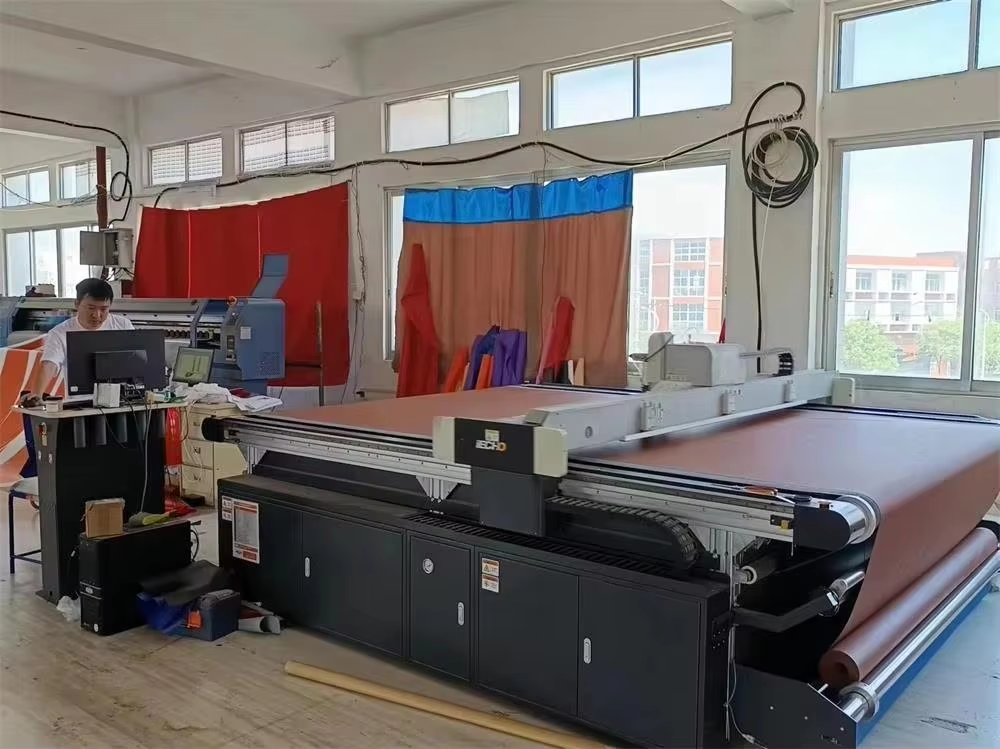
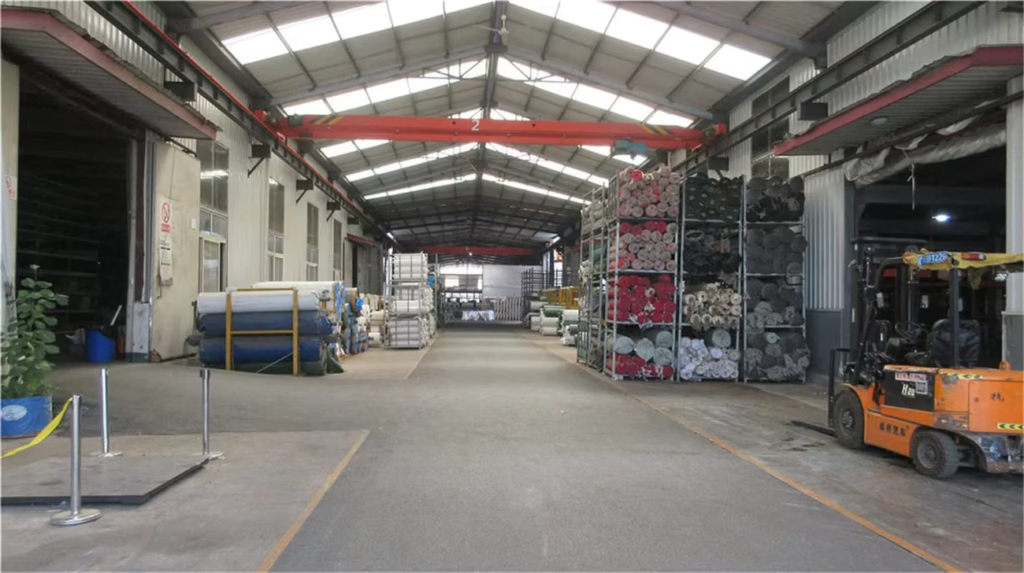
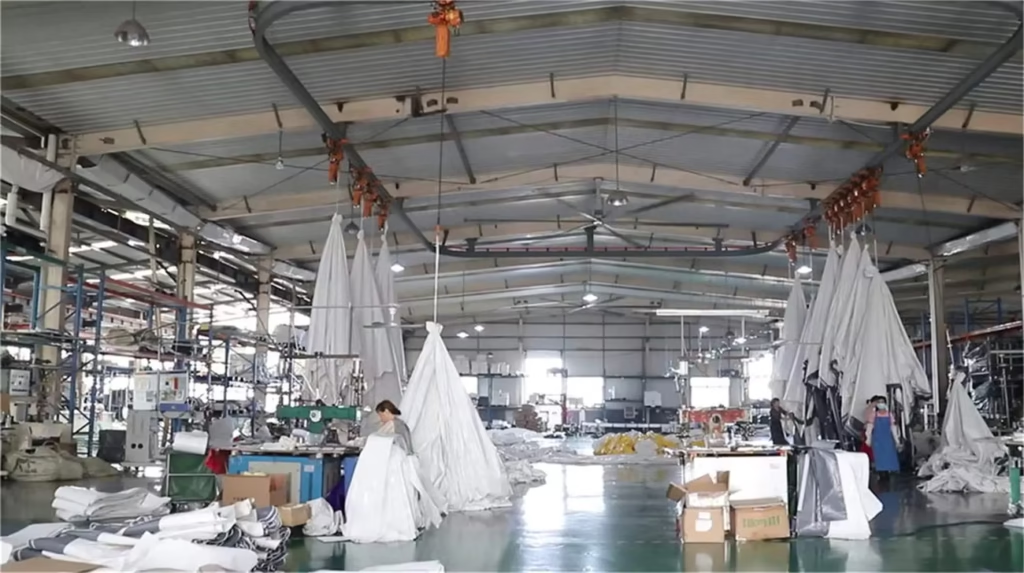
From good lightweight sleeping bags to ultralight goose down sleeping bags, the global outdoor market demands innovation, consistency, and professionalism. PRONEO GROUP’s decade-long expertise, strong production base, and customer-oriented OEM/ODM service make it a trusted partner for brands worldwide.
Whether you’re launching a new sleeping bag backpacking line or sourcing the best ultralight sleeping bag for your outdoor brand — PRONEO delivers quality, customization, and trust.